
The Story of Polyester Viscose; Two Fibres, One Versatile Fabric
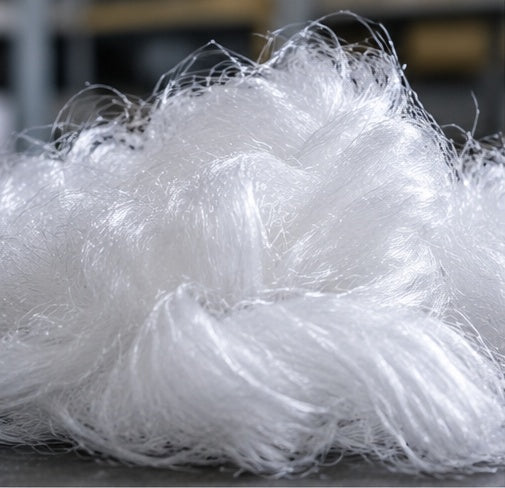
When two different fibres come together
Not every fabric begins with a single fibre. Some of the most versatile textiles are created by bringing together two different materials, each contributing its own characteristics.
Polyester and viscose are a good example. One is known for its strength, durability and shape retention, while the other is appreciated for its soft feel, fluid drape and ability to absorb moisture.
Together, they create Polyester Viscose, commonly known as PV — a fabric blend widely used in modern apparel, particularly in formal clothing.
But what exactly are these two fibres, and why are they blended?
1. Understanding polyester
Polyester is a synthetic fibre developed through chemical processes. Unlike cotton, which grows on a plant, polyester is manufactured from polymer-based raw materials.
It became widely used in the textile industry because of its useful performance characteristics.
Polyester fibres are valued for:
- Durability and strength.
- Good shape retention.
- Resistance to shrinking when properly processed.
- Relatively easy care.
- Good crease resistance, depending on fabric construction and finishing.
These qualities make polyester a popular choice in clothing that needs to maintain its appearance through regular use.

2. Understanding viscose
Viscose has a rather different story.
It begins with cellulose, a natural material found in plant matter, commonly obtained from wood pulp. Through a manufacturing process, this cellulose is dissolved and regenerated into textile fibres.
This makes viscose a regenerated cellulosic fibre rather than a conventional synthetic fibre like polyester.
Viscose is appreciated for:
- A soft and smooth feel.
- A fluid, elegant drape.
- Good moisture absorption.
- The ability to take colour well.
- A comfortable feel in a wide range of fabrics.
It brings a different character to textiles, often giving them a softer and more flowing appearance.

3. Why blend polyester and viscose?
The idea behind blending is simple: bring together useful qualities from two different fibres.
Polyester contributes durability, shape retention and easier-care characteristics. Viscose contributes softness, drape and moisture absorption.
The result is a versatile fabric that can be developed for different clothing requirements.
However, the final performance depends on several factors, including the percentage of each fibre, yarn quality, weave, fabric weight and finishing.
There is no single formula that defines every PV fabric.

4. From fibres to fabric
Once the polyester and viscose fibres are selected, they can be combined during yarn production.
The blended yarn is then used to create fabric through weaving or knitting.
In woven PV fabrics, the yarn arrangement, weave structure and density influence the final appearance and feel.
Some fabrics are developed to have a smooth, refined surface suitable for formal wear. Others may have a more textured appearance or a different weight for specific garment applications.
The fabric's character is shaped not only by the fibres but also by the way they are processed.

5. Why PV is popular in formal trousers
Formal clothing often needs to balance appearance, comfort and practicality.
This is one reason polyester-viscose blends have found an important place in the suiting and trouser industry.
Depending on its composition and construction, a good PV fabric can offer:
- A neat and structured appearance.
- A smooth surface suitable for formal styling.
- Useful shape retention.
- A comfortable feel.
- Practical everyday maintenance.
The right choice of fabric makes a difference to how a trouser looks, feels and performs throughout the day.

6. Does every PV fabric feel the same?
Certainly not.
Two fabrics may both be labelled polyester viscose and still feel very different.
The blend ratio, yarn count, weave, fabric weight, dyeing and finishing processes can all influence the result.
A well-developed PV fabric for formal trousers may have a very different feel and appearance from a lightweight PV fabric intended for another type of garment.
This is why understanding the fabric is just as important as knowing its fibre composition.
7. The importance of fabric selection

Choosing the right fabric is one of the earliest and most important decisions in garment manufacturing.
The intended use of the garment, its fit, the desired appearance and the comfort expected from it all influence fabric selection.
For formal trousers, the fabric should complement the design, hold its intended shape and provide a comfortable wearing experience.
Good garment manufacturing begins with choosing the right material for the right purpose.
Two fibres. One thoughtful combination.
The story of polyester viscose is a story of how textile technology brings different fibres together to create materials suited to modern lifestyles.
From the characteristics of individual fibres to the final weave and finish, every stage contributes to the fabric we eventually wear.
At Botanica, we believe that understanding fabric is an essential part of creating better clothing. Because quality is not simply about the finished garment — it begins with the material itself.
Botanica — We manufacture quality, not just garments.